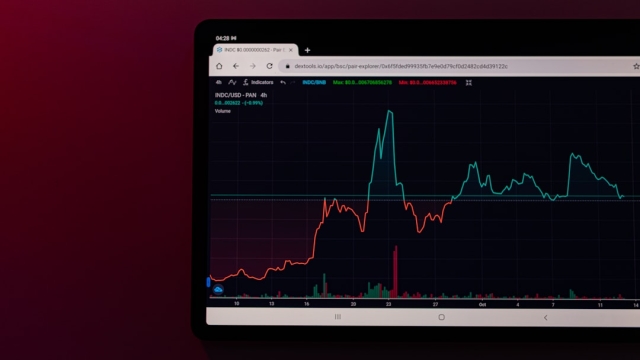
Overview of Cryptocurrencies Definition and Key Features

Cryptocurrencies have become a significant aspect of the financial landscape, representing a shift in how we perceive and utilize money. As digital or virtual currencies that rely on cryptography for security, they offer unique advantages compared to traditional currencies. In this article, we will explore cryptocurrency details, including their definitions, key features, various types, transaction mechanisms, their adoption in Nigeria, and practical methods for converting them to Naira.
Overview of Cryptocurrencies: Definition and Key Features
At their core, cryptocurrencies are decentralized digital assets that operate on blockchain technology, a distributed ledger that records all transactions across a network of computers. This decentralized nature means that no central authority, such as a bank or government, can control or manipulate the currency, leading to increased transparency and security. Key features of cryptocurrencies include:
– Decentralization: Eliminates the need for intermediaries, allowing peer-to-peer transactions. – Security: Cryptographic techniques protect transaction data and user identities. – Anonymity: Users can transact without revealing personal information, though some cryptocurrencies offer varying levels of privacy. – Global Accessibility: Cryptocurrencies can be accessed from anywhere with an internet connection, making them inclusive for individuals without traditional banking services.
Types of Cryptocurrencies: Bitcoin, Altcoins, and Stablecoins
Understanding the different types of cryptocurrencies is essential for anyone interested in the space. Here is a breakdown of some of the main categories:
– Bitcoin: The first and most well-known cryptocurrency, established as a digital alternative to traditional currencies. Bitcoin is often referred to as “digital gold” due to its limited supply and store of value characteristics. – Altcoins: This term encompasses all other cryptocurrencies besides Bitcoin. Altcoins can vary significantly in their purposes and functionalities. Some popular examples include Ethereum, which enables smart contracts and decentralized applications, and Ripple, which focuses on facilitating international transactions. – Stablecoins: These are designed to maintain a stable value by pegging them to traditional assets, such as fiat currencies or commodities. Stablecoins aim to reduce the volatility often associated with cryptocurrencies, making them more suitable for everyday transactions.
How Cryptocurrency Transactions Work: A Step-by-Step Guide
Understanding how transactions occur in the cryptocurrency space is crucial for users. Here’s a simplified step-by-step guide:
1. Wallet Setup: Users must create a digital wallet, which stores their cryptocurrency securely. Wallets can be software-based (online) or hardware-based (offline). 2. Initiating a Transaction: To send cryptocurrency, the sender specifies the recipient’s wallet address and the amount to be transferred. 3. Verification: The transaction is broadcasted to the network, where it is verified by nodes (computers) through a consensus mechanism. 4. Recording on Blockchain: Once verified, the transaction is added to a block and recorded on the blockchain, creating a permanent and immutable record. 5. Confirmation: The recipient sees the transaction in their wallet once it is confirmed, which can take varying amounts of time depending on network conditions.
Cryptocurrency in Nigeria: Adoption. Regulations, and Market Trends
Nigeria has emerged as a notable player in the cryptocurrency space, with a rapidly growing number of users and significant interest in digital assets. Factors driving this adoption include:
– Economic Challenges: High inflation and currency devaluation have led many Nigerians to seek alternative stores of value and investment opportunities through cryptocurrencies. – Regulatory Landscape: The government has taken various stances on cryptocurrency, with certain regulations aimed at ensuring compliance and protecting users. Understanding these regulations is crucial for anyone looking to engage in the market. – Market Trends: The Nigerian cryptocurrency market is characterized by vibrant trading, with platforms emerging to facilitate buying, selling, and trading of various digital assets.
Converting Cryptocurrency to Naira: Methods and Considerations
For those looking to convert their cryptocurrencies into Naira, several methods can be employed. Each method has its considerations:
1. Cryptocurrency Exchanges: Online platforms that allow users to trade cryptocurrencies for fiat currencies. Users should consider the fees and exchange rates when choosing an exchange. 2. Peer-to-Peer (P2P) Platforms: These platforms connect buyers and sellers directly, enabling users to negotiate terms and avoid high fees. 3. Over-the-Counter (OTC) Trading: Suitable for larger transactions. OTC trading allows users to conduct trades privately, often leading to better rates. 4. Local Payment Services: Some services specialize in converting cryptocurrencies to local currencies, providing users with a seamless experience. In conclusion, understanding cryptocurrency details is essential for anyone looking to navigate the digital currency landscape effectively. With its unique features, types, and transaction processes, cryptocurrencies offer numerous opportunities and challenges. As users in Nigeria and around the world engage with these digital assets, they must also remain informed about regulations and practical methods for conversion to fiat currencies.
| Type | Example | Key Feature |
|---|---|---|
| Bitcoin | BTC | First cryptocurrency |
| Altcoins | Ethereum | Smart contracts |
| Stablecoins | Tether | Value stability |
For more in-depth cryptocurrency details and guidance, you can visit [Monica Cash](https://monica.cash).