Overview of Pool Tile Installation Services in Maryland and Virginia

Pool tile installation is an essential aspect of enhancing the beauty and functionality of any swimming pool. With the right tiles, a pool can transform into a stunning centerpiece that complements the outdoor space while providing longevity and ease of maintenance. This article will guide you through the various aspects of pool tile installation, including the types of tiles available, the installation process, the benefits of professional services, and maintenance tips to ensure your pool tiles remain beautiful for years to come.
Overview of Pool Tile Installation Services in Maryland and Virginia
In Maryland and Virginia, pool tile installation services are widely available, catering to various styles and preferences. Many companies offer a range of options, from ceramic and porcelain to glass and natural stone tiles. This variety allows homeowners to choose tiles that match their aesthetic and functional needs. Custom and mosaic tiles are particularly popular choices, providing unique designs and patterns that can add a personal touch to the pool area. Custom tiles can be tailored to fit specific themes or color schemes, while mosaic tiles can create intricate designs that enhance the visual appeal of the pool.
Types of Pool Tiles: Custom, Mosaic, and More
When considering pool tile installation, it is essential to understand the different types of tiles available:
- Ceramic Tiles: Durable and water-resistant, ceramic tiles are a popular choice for pool areas. They come in various colors and patterns, making them versatile for any design.
- Porcelain Tiles: Known for their strength and low water absorption, porcelain tiles are ideal for pool environments. They are available in many styles and are easy to maintain.
- Glass Tiles: Offering a luxurious look, glass tiles reflect light beautifully, creating a shimmering effect in the water. They are also resistant to staining and fading.
- Natural Stone Tiles: For a more organic appearance, natural stone tiles such as slate or travertine can be used. They provide a unique look but may require more maintenance.
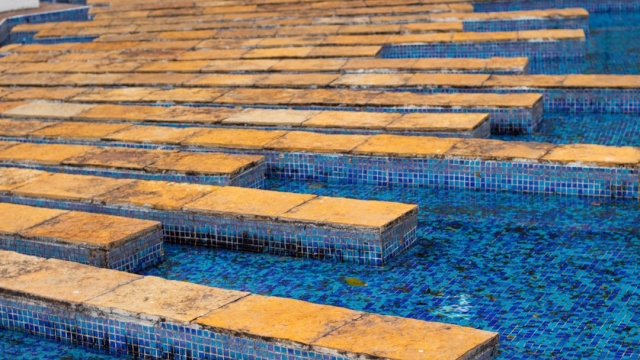
- Mosaic Tiles: These small tiles can be arranged in various patterns and designs, allowing for creativity in pool aesthetics. They are often used for accent areas or borders.
Step-by-Step Guide to the Pool Tile Installation Process
The process of pool tile installation typically involves several key steps:
- Preparation: The area around the pool must be cleaned and prepared. This includes removing any old tiles and ensuring the surface is level and free from debris.
- Choosing the Right Adhesive: Selecting the appropriate adhesive is crucial for ensuring that the tiles adhere properly and withstand the pool’s environment.
- Laying the Tiles: Start laying the tiles from the bottom up, using spacers to maintain even gaps for grout. This step requires precision to ensure a professional finish.
- Grouting: Once the tiles are in place, grout is applied to fill the gaps. This not only enhances the appearance but also prevents water from seeping behind the tiles.
- Sealing: Depending on the type of tiles used, sealing may be necessary to protect against water damage and staining.
Benefits of Professional Pool Tile Installation
While some may consider a DIY approach to pool tile installation, hiring professionals offers numerous advantages:
- Expertise: Professionals have the experience and knowledge to ensure correct installation, reducing the risk of future issues.
- Quality Materials: They can recommend high-quality materials that are best suited for your specific pool environment.
- Time Efficiency: Professionals can complete the installation more quickly, allowing you to enjoy your pool sooner.
- Warranty and Support: Many professional services provide warranties on their work, giving you peace of mind.
Maintenance Tips for Your Pool Tiles
To keep your pool tiles looking their best, regular maintenance is essential. Here are some tips:
- Regular Cleaning: Clean the tiles regularly with a gentle pool cleaner to prevent algae and dirt buildup.
- Check for Cracks: Regularly inspect for any cracks or chips, which can lead to further damage if not addressed.
- Grout Maintenance: Ensure that the grout remains intact and free from stains. Re-grouting may be necessary over time.
- Water Balance: Maintain proper water chemistry to prevent damage to the tiles and grout.
In conclusion, pool tile installation is a significant investment in the aesthetic and functional quality of your swimming pool. By understanding the types of tiles available, the installation process, and the benefits of professional services, you can make informed decisions. Regular maintenance will further enhance the longevity and beauty of your pool. If you’re considering upgrading your pool area, explore professional services that specialize in pool tile installation to ensure a stunning and durable outcome.