The Intersection of Art and Pin Design

The landscape of organizational culture has evolved dramatically in recent decades, yet certain fundamental practices have demonstrated remarkable staying power across changing times and contexts. Among these enduring traditions, the use of tangible symbols for recognition and identity building continues to play vital roles in organizations of every type and size. Understanding why these practices remain relevant helps leaders design more effective programs for their particular communities.
Human beings are inherently social creatures whose sense of identity develops largely through group memberships and relationships with others. The organizations we join and the recognition we receive from them contribute significantly to our self-concept and overall well-being. This psychological reality explains why recognition practices, when implemented thoughtfully, can have profound effects on individual motivation and organizational outcomes.
The Psychology of Tangible Recognition
Research in organizational psychology has consistently demonstrated that tangible recognition creates stronger and more lasting impressions than verbal acknowledgment alone. The physical presence of a recognition item provides ongoing reinforcement of the achievement or membership it represents, while verbal praise tends to fade quickly from memory. This difference in staying power explains why organizations continue investing in physical recognition programs despite the costs involved.
The most effective recognition programs utilize custom pins and similar items that recipients can wear or display prominently. This visibility serves multiple functions: it reminds recipients of their achievements, signals their status to others, and creates opportunities for social recognition through conversations about the items’ meaning. Each of these functions reinforces the original recognition in ways that compound over time.
The design elements incorporated into recognition items also carry significant meaning. Colors, shapes, and symbols chosen for these pieces communicate messages about organizational values and the specific achievements being recognized. Thoughtful design transforms simple objects into powerful symbols that resonate emotionally with recipients and observers alike.
Creating Meaningful Connections
Beyond individual recognition, shared symbols create connections among group members that strengthen organizational cohesion. When individuals display common symbols, they immediately identify themselves as members of the same community, facilitating interaction and mutual support. These visible markers of shared identity prove particularly valuable in contexts where members may not otherwise recognize each other.
The networking function of shared recognition items should not be underestimated. Conference attendees, for example, often find that displaying organizational pins leads to productive conversations with fellow members they would not otherwise have met. These chance encounters frequently develop into valuable professional relationships that benefit both individuals and their shared organization.
Youth organizations have long understood the motivational power of recognition items in engaging young people. The badges, pins, and other symbols earned through participation create visible records of achievement that encourage continued involvement. Many adults trace their lifelong commitment to particular causes or activities back to recognition received during formative years in youth programs.
Traditions That Connect Communities
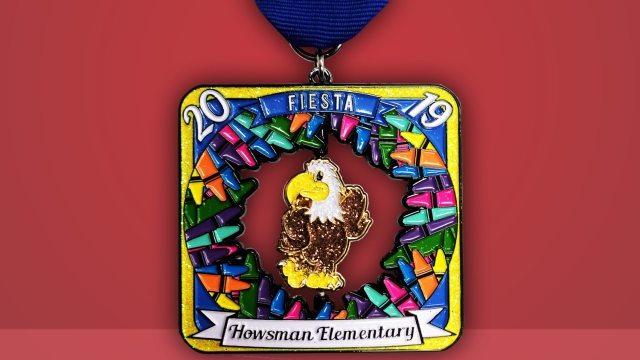
The principles underlying organizational recognition connect to broader cultural traditions that have existed for generations. Annual celebrations and festivals frequently incorporate similar concepts, using commemorative items to mark participation and build community identity. Custom fiesta medals exemplify this tradition beautifully, serving as cherished collectibles at celebrations throughout Texas and neighboring regions.
These festival traditions demonstrate how recognition practices function across different contexts while serving consistent underlying purposes. Whether acknowledging professional achievements in corporate settings or celebrating cultural heritage at community festivals, tangible symbols help people commemorate meaningful experiences and connect with others who share similar values.
The social aspects of trading and collecting festival memorabilia mirror dynamics observed in organizational recognition programs. Enthusiasts form communities around shared interests, developing relationships that often extend well beyond their original context. These connections demonstrate the remarkable capacity of simple objects to facilitate human bonding when invested with shared meaning.
Looking Forward While Honoring Tradition
As technology continues transforming how we work and interact, questions naturally arise about the future of physical recognition practices. Will digital alternatives eventually replace tangible items? Current evidence suggests that while digital tools may complement traditional recognition, they are unlikely to replace the unique impact of physical symbols entirely. The sensory experience of holding a meaningful object simply cannot be replicated digitally.
Organizations that understand these dynamics position themselves to build stronger cultures and more engaged communities. By investing thoughtfully in recognition programs that honor human needs for acknowledgment and belonging, leaders create conditions for individuals and groups to thrive. The modest cost of these programs typically yields returns far exceeding the investment through improved morale, stronger retention, and enhanced organizational reputation.
The enduring relevance of recognition traditions across diverse contexts reflects their grounding in fundamental human psychology. As long as people seek acknowledgment for their contributions and connection to meaningful communities, tangible symbols of achievement and belonging will continue serving essential functions. Organizations wise enough to embrace these traditions position themselves for sustained success in an ever-changing world.